1 (800) 584-0324


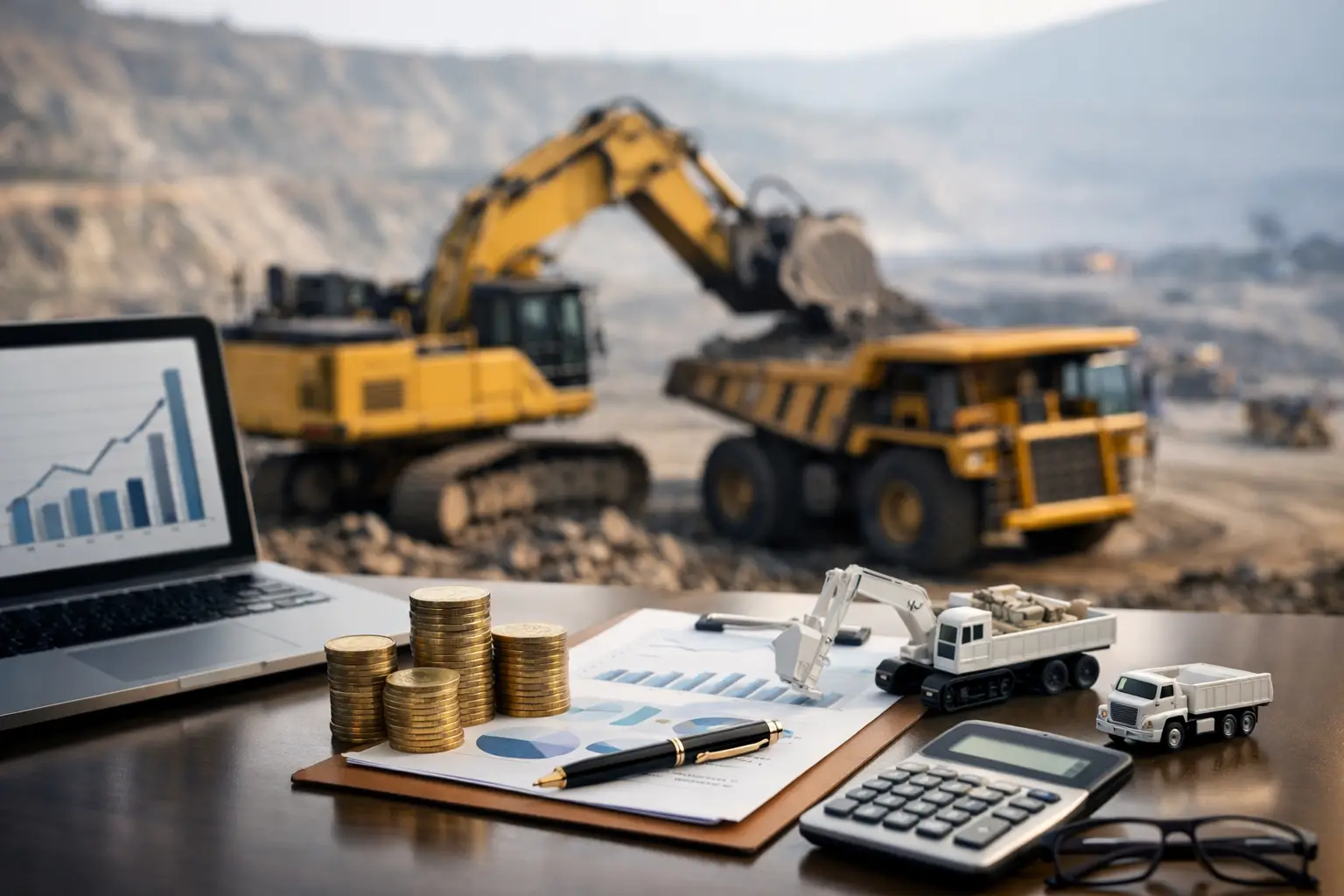
A mine can have a compelling resource, a capable operating team, and a clear path to production, yet still lose momentum when capital arrives too late or comes with the wrong terms. Effective mining project finance solutions are not simply about raising the largest amount of money available. They are about matching capital to the stage of the project, the asset base, the operating cycle, and the risks a lender or investor is prepared to underwrite.
For mining operators and finance leaders, this distinction matters. Exploration spending, permitting, equipment purchases, pre-production development, hauling costs, reclamation obligations, and receivables from off-take customers do not follow the same timeline. A single conventional loan rarely fits all of them. The stronger approach is usually a deliberate capital structure built around what the business needs now and what it must be positioned to achieve next.
Why Mining Capital Requires a Different Approach
Mining is capital-intensive by nature, but its financing challenges go beyond the size of the checks required. Project economics are influenced by reserve quality, commodity prices, operating costs, infrastructure access, environmental requirements, jurisdiction, and the ability to convert production into predictable cash flow. Each factor can change the financing conversation.
A lender financing a fleet of haul trucks, for example, will focus heavily on equipment values, useful life, maintenance records, and the operator’s repayment capacity. A capital provider supporting mine development will look more closely at the technical report, permitting status, projected production profile, sponsor experience, and downside sensitivity. Working capital providers may be most concerned with customer concentration, invoicing terms, and the quality of receivables.
That is why a mining company should avoid treating capital as one broad requirement. Separating uses of funds creates a clearer story for potential funding partners and can reduce the pressure placed on any one facility. It also helps management preserve equity for investments where debt financing is not practical.
Mining Project Finance Solutions by Project Stage
The right structure depends on where the operation sits in its lifecycle. There is no universal answer, but there are patterns that can guide the process.
Exploration and resource definition
Early-stage projects often face the most limited debt options because cash flow is not yet available to service scheduled payments. Equity, sponsor capital, joint ventures, strategic investors, and certain royalty or streaming arrangements can be more realistic at this stage. These sources may carry a higher long-term cost than senior debt, particularly when they involve ownership dilution or a claim on future production, but they can fund work that traditional lenders will not.
The key is to understand what milestone the capital must achieve. Financing intended to complete a drill program, update a resource estimate, or advance permitting should be sized around a defined value-creation event. Raising too little can create an expensive return to the market before the project has reached a financeable inflection point. Raising too much too early can dilute existing owners unnecessarily.
Development and construction
Once a project has completed more technical and commercial diligence, the range of available capital can expand. Development financing may involve senior secured debt, subordinated debt, private credit, equipment financing, sponsor equity, or a combination of these sources. Larger transactions may also include project-specific facilities tied to expected production and contracted revenue.
At this point, lenders will expect a disciplined package of information. That commonly includes technical studies, construction budgets, contingency assumptions, permits, environmental documentation, production forecasts, commodity-price sensitivities, management biographies, and details on off-take arrangements. Credibility is built when assumptions are well documented and management can explain how the project performs under less favorable conditions.
Debt can be attractive because it limits dilution, but it introduces fixed obligations. If the construction schedule slips or ramp-up takes longer than expected, a facility with aggressive amortization can become a serious constraint. A structure with an interest-only period, a ramp-up reserve, or repayment terms aligned with the expected production profile may be more valuable than a lower headline interest rate.
Operating mines and expansion projects
Producing operations generally have the widest set of financing choices because revenue, assets, and operating history can be evaluated. Equipment financing can support new loaders, crushers, drilling equipment, processing systems, and transportation assets without using all available cash. Asset-based lending may provide borrowing capacity against eligible receivables, inventory, or other business assets. Invoice factoring can be useful when long customer payment cycles create a working-capital gap.
Expansion capital requires its own analysis. A company may be profitable today but still need funding for a new pit, processing upgrade, reserve expansion, acquisition, or infrastructure improvement. In these situations, refinancing existing debt can sometimes create additional liquidity, extend maturities, or consolidate facilities that no longer fit the business. The objective is not merely to add leverage. It is to ensure the capital structure supports the next operating plan.
Matching the Capital Source to the Use of Funds
Strong financing structures assign each source of capital a clear job. Long-lived equipment is often best financed over a term that reflects its useful life. Short-cycle operating needs may be better served by a revolving working-capital facility or receivables financing. Acquisition financing may require a blend of senior debt, seller financing, and equity to keep post-close leverage manageable.
Four questions should guide the selection process:
- How quickly will this use of funds generate cash flow?
- What asset, contract, or revenue stream supports repayment?
- What happens if commodity prices, production volumes, or timelines fall below plan?
- Does the financing preserve enough liquidity for normal operations and unexpected costs?
These questions matter because capital that appears inexpensive can become costly if its covenants, collateral requirements, or repayment schedule limit operational flexibility. Conversely, a higher-cost facility may be appropriate when it is temporary, supports a specific revenue-producing opportunity, or avoids a more expensive operational delay.
What Lenders and Capital Partners Need to See
Mining businesses can improve financing outcomes by preparing for diligence before they enter the market. A funding request should present a complete picture of the operation, not just a requested dollar amount. That means connecting the proposed capital to a practical operating plan and a defensible repayment path.
For an established operator, historical financial statements, current management accounts, debt schedules, customer information, equipment lists, and production data provide the baseline. For a development-stage project, technical reports, resource data, permits, budgets, construction contracts, and sponsor support become more central. In both cases, a clear explanation of risks and mitigants will carry more weight than overly optimistic projections.
Commodity exposure deserves particular attention. Some lenders are comfortable with market-price risk when debt levels are conservative and costs are competitive. Others may prefer contracted revenue, hedging strategies, or established off-take relationships. The appropriate approach depends on the commodity, the mine’s cost position, the duration of the financing, and management’s risk tolerance.
The Value of a Multi-Source Financing Strategy
Relying on a single bank relationship can be limiting, especially when a mine needs a combination of equipment capital, operating liquidity, growth financing, and restructuring support. Different capital providers have different appetites. One may be comfortable financing hard assets, while another may focus on receivables or provide flexible subordinated capital.
A capital advisory process can help management compare these options on more than rate. Advance rates, fees, collateral requirements, covenants, personal guarantees, prepayment provisions, reporting demands, and funding speed all affect the real value of an offer. The best proposal is the one that supports the company’s operating plan without creating avoidable restrictions at the wrong time.
Agile Solutions works with a broad network of financial partners to help companies evaluate and structure capital around their specific needs, including complex, capital-intensive mining situations. That approach can be particularly valuable when a business needs more than a standard loan or must coordinate multiple funding sources under one growth plan.
Build the Financing Plan Before the Capital Is Urgent
The most difficult time to negotiate is when equipment has failed, a permit milestone is approaching, payroll is tight, or an acquisition opportunity has a short deadline. Planning ahead gives operators more choices and more leverage. It allows time to clean up financial reporting, identify collateral, address covenant issues, and present a credible forward-looking case.
For mining leaders, the goal is not to predict every operational variable perfectly. It is to build a financing structure that recognizes uncertainty, protects liquidity, and gives the business room to execute. When capital is aligned with the realities of the mine rather than forced into a generic lending model, it becomes a practical tool for production, expansion, and long-term value creation.